

Projects
Collaborative Generation of Social Ecological Knowledge of Food and Forest Systems (CoGEN)
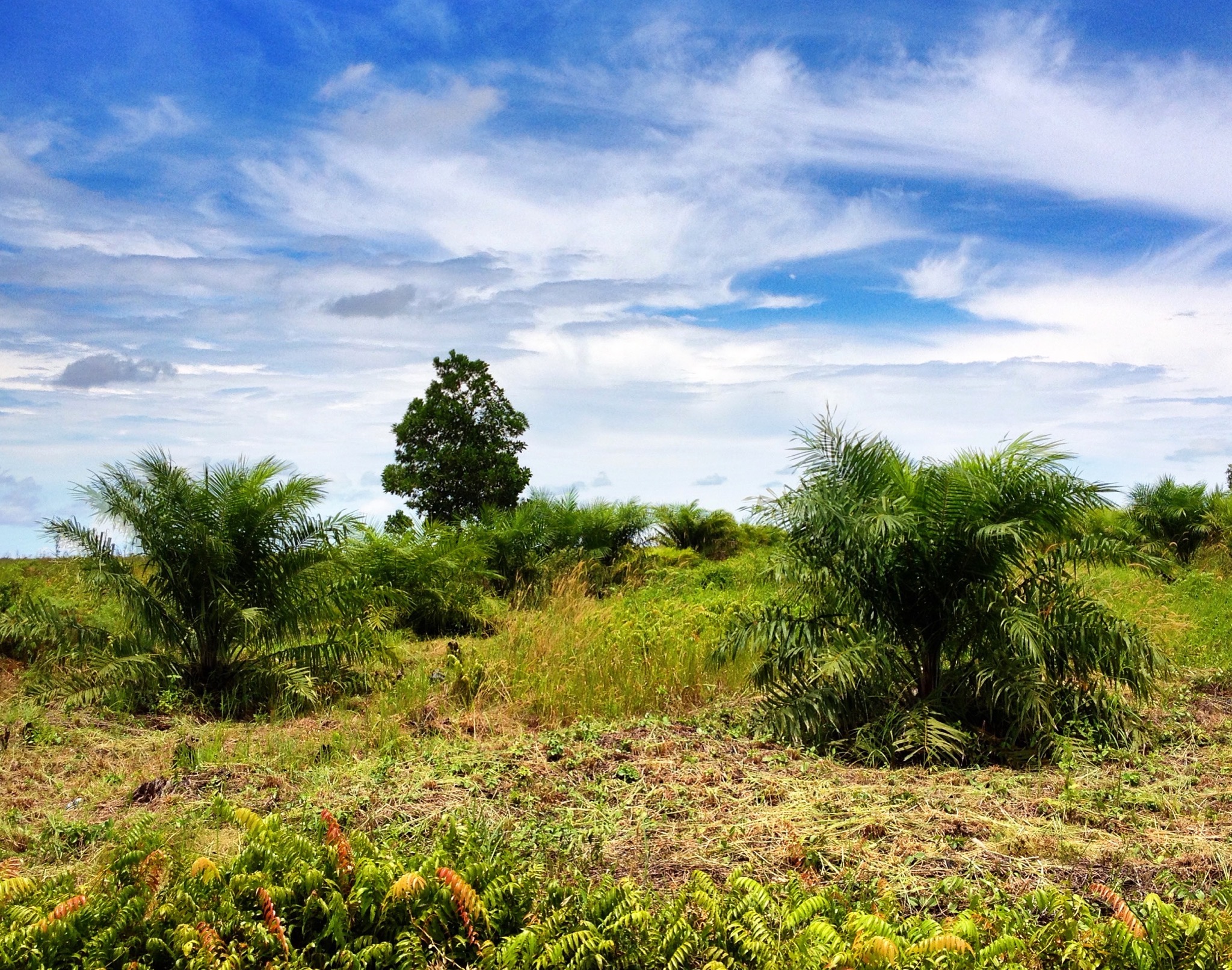
Project summary: Growing policy efforts to regulate deforestation and human rights abuses in supply chains risk placing new burdens on vulnerable smallholder farmers in Sub-Saharan Africa. In Ghana, where cocoa expansion is a leading driver of deforestation and over 65% of cocoa farmers face food insecurity, we are seeking to understand how these policies interact with local livelihoods and ecosystems and assess how equity is being considered in environmental governance.
The CoGEN project brings together the Nature Conservation Research Centre (Ghana), Oxford University, and the University of Victoria to co-design community-based monitoring tools that track food security, living standards, and ecological change. Grounded in the novel concept of “precision governance”, the project ensures monitoring methods are accessible to local communities while informing national and international decision making. By centring farmer priorities and diverse knowledge systems, we aim to bridge gaps between global sustainability ambitions and local realities. Through participatory research and knowledge mobilization, we are advancing more inclusive, responsive, and just approaches to governing food and forest systems.

Cultivating Accountability: Understanding Opportunities for Sustainability in Canada’s Agrifood Trade
Project Summary: There is growing pressure from consumers, governments, and international bodies to reduce environmental and human rights impacts within global food supply chains. As such, some countries have begun to implement measures to regulate “imported” social and environmental impacts, such as through mandatory human rights and environmental due diligence legislation (mHREDD). These include most recently the European Union’s Deforestation Regulation and the Corporate Sustainability Due Diligence Directive. While Canada has made some progress on corporate accountability for social transgressions in global supply chains — particularly in relation to forced and child labour through the Modern Slavery Act (Bill S-211) — environmental impacts have largely remained unaccounted for.
This project seeks to understand the feasible and effective policy paths Canada can pursue to reduce the negative environmental impacts in agrifood import supply chains. It takes the EU due diligence policy model as a base and ask: “what would work for Canada?” This project draws on the perspectives of civil society groups, industry organizations, government representatives, and subject matter experts to better understand how supply chain sustainability policy can respond to the interests, capacities, and values of domestic actors while meeting the constraints of the systems it tries to govern. At the same time, the project aims to build a clearer picture of the interactions between the different policy actors, and the influences at play.
Farmer-centric model for creating and sharing knowledge in environmental sustainability: the case of cocoa
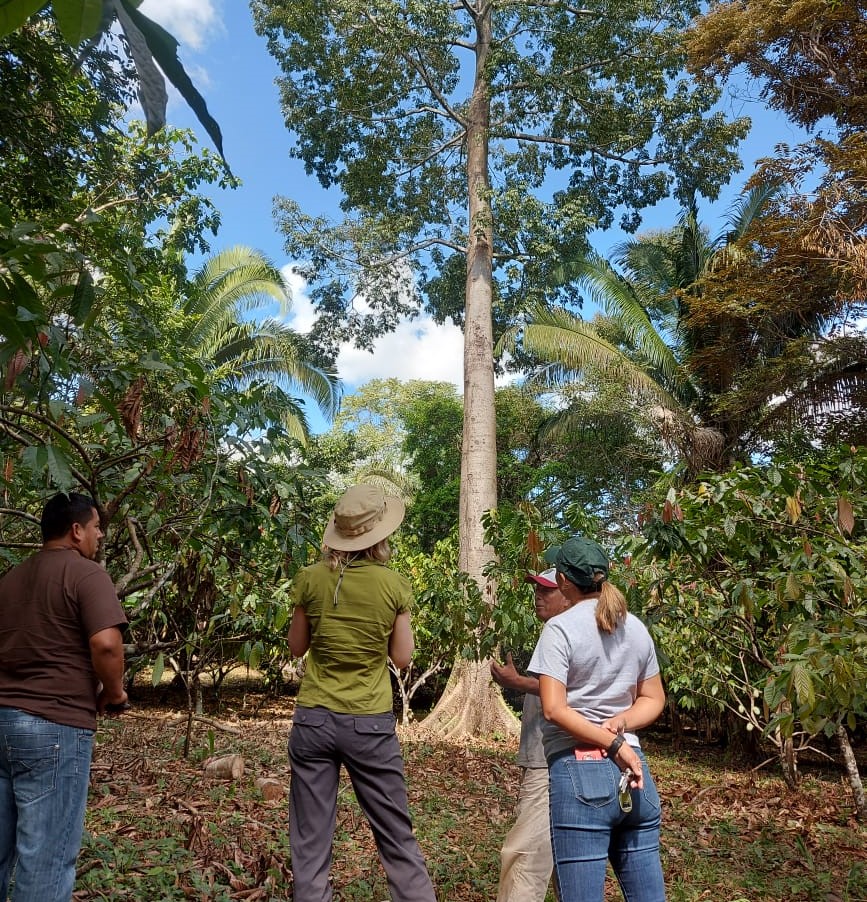
Project summary: The global chocolate industry, currently valued at close to $130 billion, invests significant sums each year into cacao sustainability programs, often targeted to farm level. While there is general consensus that the path to a sustainable future for cacao lies in bringing the expertise of farmers to the forefront, the mechanisms for engaging farmers in sustainability remain lacking. In partnership with Cacao Latitudes, Dr. Kristy Leissle, and the Belize Foundation for Research and Environmental Education (BFREE), this unique team will re-envision the benchmarks for how the cocoa and chocolate industry engages with cacao farmers in an ethical and mutually reciprocal way. Based on a farmer-led, farmer-centered research methodology, we are creating an industry guide that empowers farmers to become mutual researchers and knowledge sharers of farm-level sustainability and value-chain improvements. Our overarching goal is to support farmers to share their expertise so that they can continue to shape the future of cacao, and their voices can be magnified to resonate across this global industry.
Regulating global food footprints: Canada’s approach to foreign corporate accountability for food imports
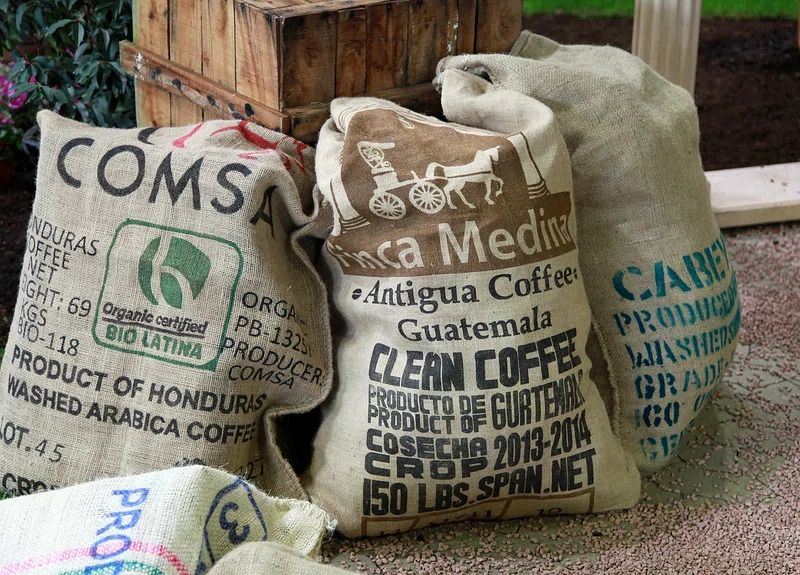
Project summary: When we settle in for a nice cup of coffee, or enjoy the richness of a piece of chocolate, the social and environmental impacts of producing those foods may not be the first thing on our minds. Yet in Canada, commodities like these are imported goods, with variable standards governing production. Increasingly, governments are being called on to take responsibility for the deforestation, biodiversity loss, and social injustices that arise along the supply chains of these commodities. In Canada, discussions on regulatory options to improve foreign corporate accountability are now taking place, but many questions remain about what this will look like in practice. In this project, we are exploring regulatory scenarios to curb deforestation and other environmental and social harms in countries linked to Canada’s food imports.
Partnering Beyond Taste: Channelling Caribbean Approaches to Decolonizing Chocolate into the Canadian Consumer Experience
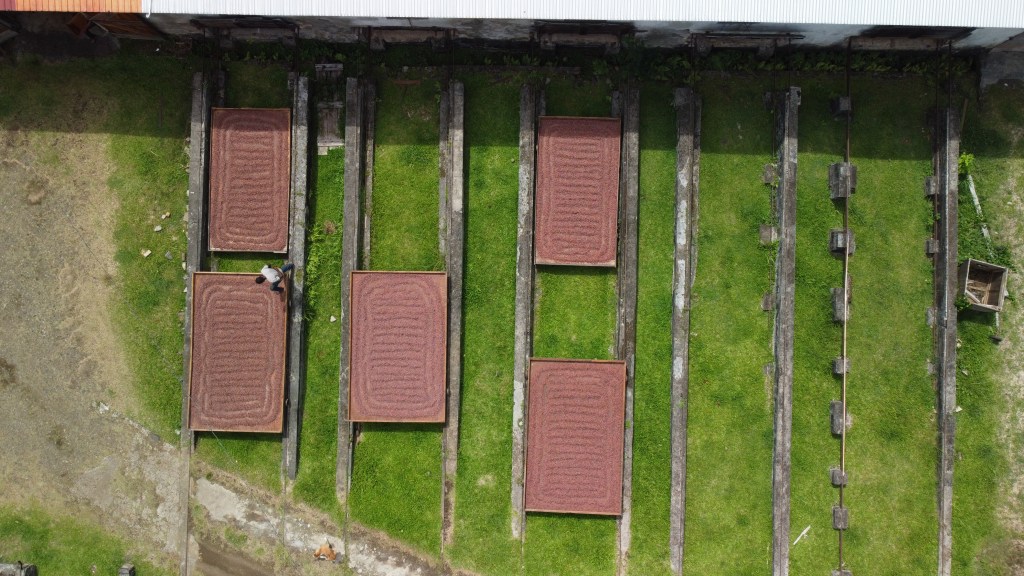
Project summary: In settler-colonial ‘Canada,’ the legacies of colonialism are increasingly apparent. And yet, reconciliation is not limited to settler-societies. Around the world, former colonies – like Barbados and Jamaica – are taking new steps to ‘decolonize.’ While removing the monarch from the head of state can be an important symbolic gesture, our project seeks to understand how global food systems be decolonized. First, we’re conducting a scoping review of academic scholarship to understand how decolonization – as a concept – is being used and defined when it comes to food systems. Next, we’ll embark on our first empirical step: to ask growers, traders, and chocolate makers in the Caribbean what decolonization could or should look like in the cocoa value chain. These projects will inform our next steps and help us ask more and important questions: can global value chains for food be decolonized? What might this look like for producers and consumers?
Funded by the Government of Canada’s Social Sciences and Humanities Research Council (SSHRC).
E-Commerce and Digital Place-making: The Craft Chocolate Industry
Project summary: In partnership with The Chocolate Project, we are researching place-making on digital platforms where consumer packaged goods are marketed. We define digital place-making in the context of this project as the connection between the representation of food production landscapes in online media and the practices of consumption. Due to COVID-19, we have seen a massive acceleration of online shopping, especially for essential items such as food. As such, consumers are increasingly relying on digital information to connect to food (and the places it grows). By studying single-origin chocolate, a packaged consumer good product deeply tied to land, we aim to better understand how ‘moral markets’ are using place-based cacao origins to market chocolate in digital spaces. This will lay the groundwork for understanding how the digital spaces of the craft chocolate movement are influencing consumer awareness, motivation, and subsequent behavior given the continued need for ethical consumption. Our overarching goal is to understand the extent to which online chocolate consumers feel connected to the specific places in the Global South where cocoa is produced.

Funded by Mitacs Accelerate and the Government of Canada’s Social Sciences and Humanities Research Council (SSHRC).
Traders as agents of sustainability governance in global food supply chains: Initiating a research agenda
Please check out the project website: tradersandsustainability.com
Project Summary: With rising consumption and trade of agricultural commodities, the world is witnessing increasing pressure on land and people in the vulnerable geographies of the Global South where agri-food production is concentrated. This is especially true for tropical commodities like cocoa, coffee, and palm oil, which are all staples in the Global North. For these commodities, globalization, market consolidation, and standardization have placed significant power in the hands of an ever-smaller number of corporations whose business lies in trade of these commodities.
Traders are companies whose core business lies in the trade of agricultural commodities between producers and manufacturers. These corporations are rapidly gaining ground as non-traditional forms of authority through the development and implementation of their own environmental and social sustainability initiatives, such as the voluntary commitment to achieve zero deforestation supply chains through the New York Declaration on Forests. This project unites scholars, trade practitioners, and producer communities to create a transdisciplinary community of practice, providing a space for comparing on-the-ground experiences and expertise, discussing the most salient challenges, and identifying research questions and priorities for the next five years.
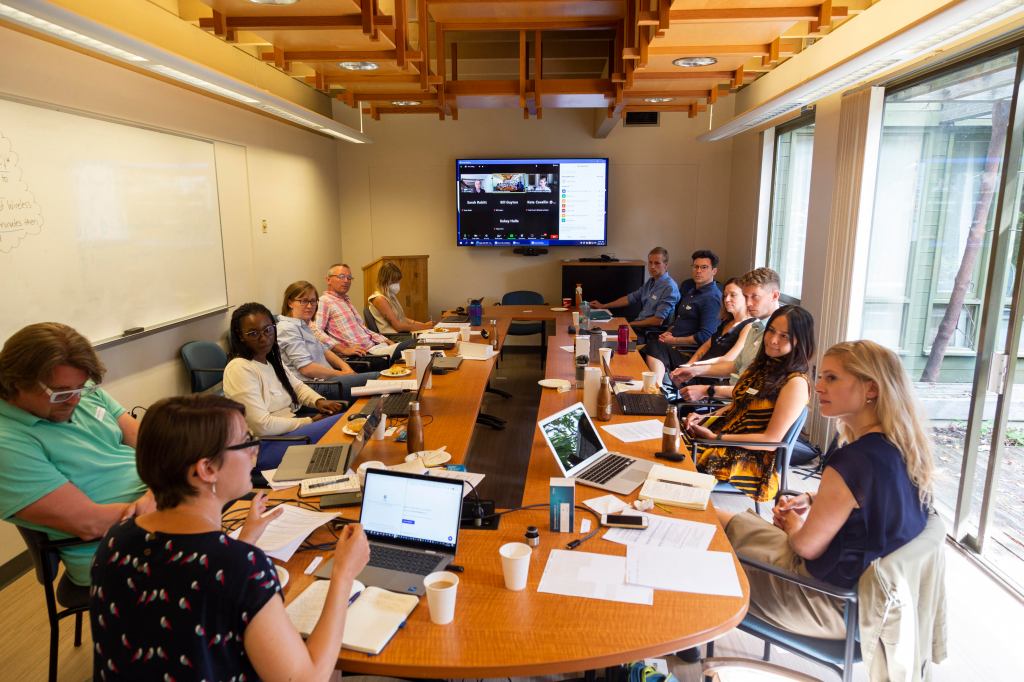
Funded by the Government of Canada’s Social Sciences and Humanities Research Council (SSHRC).
Cocoa’s living income in Ghana: Stakeholder perspectives and sustainability trade-offs
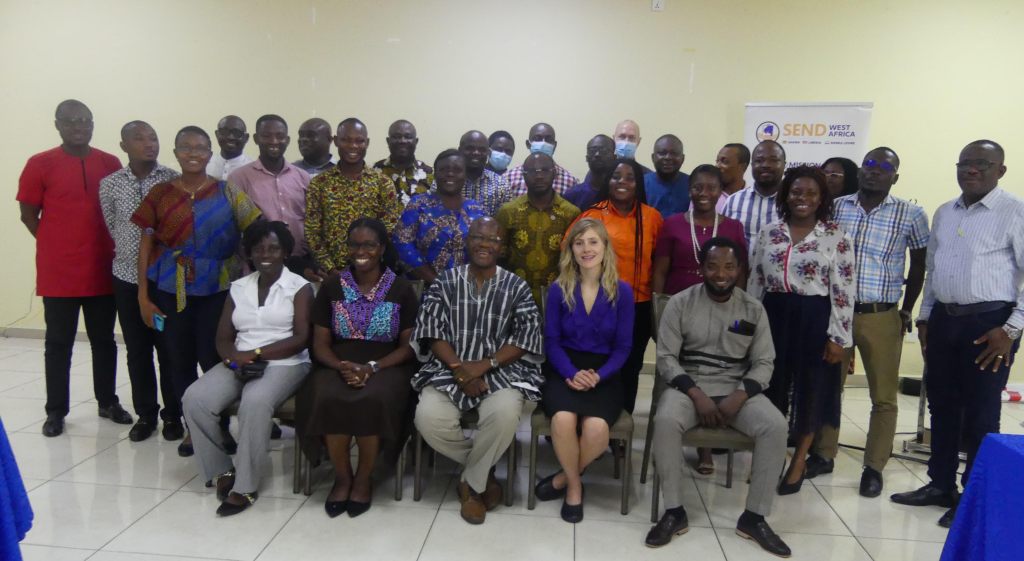
Project summary: The governments of Ghana and Côte d’Ivoire introduced the Living Income Differential (LID) in in 2019 as a direct response to the persistent challenge of poverty in cocoa farming communities. Many environmental and social justice advocates welcomed the LID policy because they consider poverty to be a root cause of many sustainability issues in the sector. At the same time, the LID as currently designed has been contested for its inability to fundamentally change the true drivers of poverty, which include limited transparency surrounding how price premiums such as the LID are distributed and how accountability is ensured. In this research project, we plan to apply the Q-methodology to better understand how domestic and international stakeholders perceive the potential of the LID to achieve its stated aims. This methodology is well-suited for investigating highly debated and contentious policy issues and has demonstrated significant potential for uncovering the underlying narratives of sustainability, natural resources management, and governance issues, wherein power and politics drive strategic policy actions. The project partner is the NGO Social Enterprise Development Foundation (SEND-Ghana), a policy advocacy organization that specializes in voicing the concerns of smallholder farmers.
Funded by the Government of Canada’s Social Sciences and Humanities Research Council (SSHRC).
Follow the bean: Tracing zero deforestation cocoa
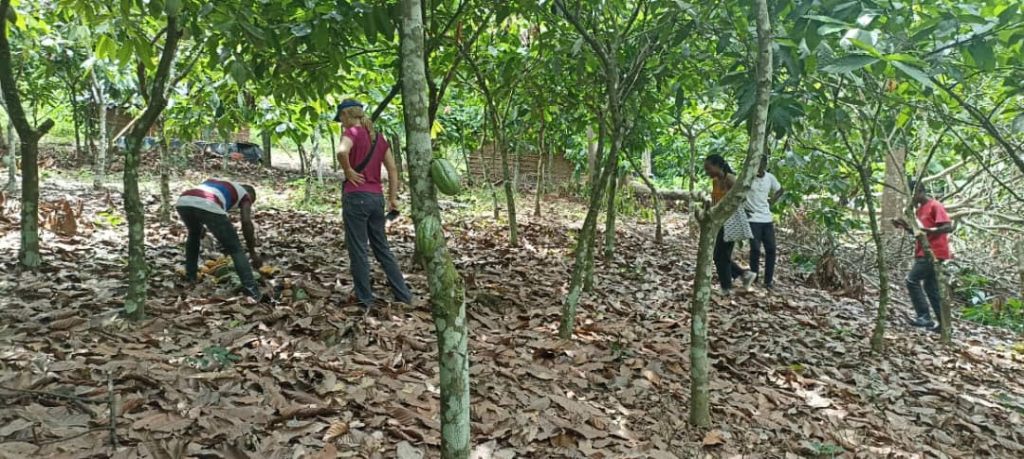
Project Summary: Amongst the greatest challenges facing humanity today are those related to climate change, biodiversity loss, and sustainable food production. The proposed research sits at the nexus of these challenges in that it studies deforestation practices as a result of cocoa production. Specifically, this project examines emerging global commitments to sustainability by major chocolate producers and how one particular supply chain is striving towards zero deforestation cocoa.
The cocoa bean, the primary ingredient in chocolate, is grown in tropical ecosystems in the Global South whereas chocolate is consumed predominantly in industrialized economies in the Global North. Due to cocoa’s disparate geographies of production and consumption, any forest loss (and associated social and environmental impacts) occurs far from the immediate purview of consumers. Despite growing media attention about these issues, the average chocolate consumer remains in the dark about the exact social and environmental impacts of their purchases. In 2017, the global chocolate industry responded by committing to “zero deforestation cocoa,” whereby companies aim for full supply chain traceability to ultimately end deforestation in cocoa growing regions.
The problem that this research addresses is that, despite their good intentions, corporate zero deforestation supply chain initiatives have so far had only modest success. While chocolate company pledges grow in number and magnitude, deforestation continues in many cocoa production areas. The proposed research will advance understanding of what precisely the global cocoa/chocolate industry is pledging to change through zero deforestation cocoa, and how.
Funded by the Government of Canada’s Social Sciences and Humanities Research Council (SSHRC).
Indigenous Knowledge Bridging of Land and Water Governance in Tanzania and Canada
Please check out the project website: thekeshotrust.org/ikg
Project summary: The Enguserosambu Forest Trust (EFT) is an Indigenous community forest management authority established to manage the land of the four Loita Maasai villages of Enguserosambu Ward of the Ngorongoro District of Tanzania. They have requested support to respond to the challenge of improving land and water governance practices in their area while maintaining the cultural integrity of their forest and its spiritual and livelihood values. The Ereto Maasai Youth (EMAYO) based in the village of Elerai, Kilindi District, located along the southern border of the Maasai Steppe, have also expressed a need for capacity development in their neighboring communities for improved land and water governance to ensure they are able to maintain control and effective conservation of their natural resources in a context of rapid regional growth and changing landscapes and climate. The partnerships established through this project aim to improve the capacity of the EFT and EMAYO for their land and water governance role. Our project has three main objectives: First, it will support Indigenous-led action research designed to enhance land and water governance and sovereignty over their traditional territories; second, our joint work will build learning relationships and enhance knowledge bridging between Indigenous peoples in Canada and Tanzania who share the same goals; and third, our work will be of relevance to the conservation of the Maasai traditional lands, livelihoods and culture. The Carcross/Tagish First Nation in Canada are recognized as leaders in many of these activities and will provide added insight throughout.

Funded by the Government of Canada’s Social Sciences and Humanities Research Council (SSHRC).
Past Projects
Cocoa Production in the Caribbean: Outlook on the industry with a focus on Trinidad and Tobago and Belize
Project summary: This project was created by undergraduate student Noa Brown for a directed study in Geography with Dr. Sophia Carodenuto. The project provides an overview of the cocoa industry from a global perspective, using the Caribbean countries of Trinidad and Tobago and Belize as case studies. It was created using ArcGIS Storymaps, and contains custom maps along with historical and economic information. Cocoa is a highly globalized product, and the conditions of its cultivation and processing have significant implications for those involved in the industry. Local chocolate making may create opportunities for small countries and allow them to gain more robust economic independence.
Check out the story map here.
Cacao origin relationship impact on artisan chocolate businesses
Project summary: Rising consumer awareness of environmental and social issues surrounding cacao production has resulted in chocolate companies receiving increased pressure to be transparent with consumers. The goal of this project is to study where innovation in sustainable sourcing practices originates within the cacao industry, with a focus on artisan chocolate companies. In this project, we are partnering with The Chocolate Alliance, an artisan chocolate industry association based in Seattle, USA. The aim of this research is to co-create and share knowledge surrounding how cacao production is affecting social and environmental change in diverse contexts, from origin to consumption geographies.
For more information about this project, please watch this short interview here and read our publication on transparency in the craft chocolate industry here.
You can download the 2022 Trend Report here.
Indigenous Environmental Stewardship: Shared Community Learning on the Pathway to Reconciliation
Project summary: Indigenous peoples from around the world are asserting their cultural and political governance systems for environmental stewardship and land use practices on their traditional territories. Although indigenous communities are embedded in vastly different contexts, histories, and political economies, we show how international experience-sharing can foster solidarity in the long-term struggle to assert Indigenous territorial governance. Students are eager for course content to support their engagement with the dynamic reconciliation processes happening in British Columbia, and around the world. This project engages students with on-going community-engaged research with First Nations. Through excursions, and case studies in the classroom, and involvement in research processes, students from diverse backgrounds will learn about how co-management theories are put into practice and how transdisciplinary research can also ‘give back’ to First Nations.
Check out this self-guided lesson on Community Forestry in British Columbia.
Funded by the University of Victoria’s Learning and Teaching Support and Innovation (LTSI).
 Environmental Governance Group